Lahagora

Tizen Vs. Webos Vs. Android Tv - Which Smart Tv Platform Should You Launch First?

Choosing the right smart TV platform can feel overwhelming. You want your app or service to reach as many users as possible, but Tizen, WebOS, and Android TV all offer different features and challenges.

Which one should you launch first to get the best results? This decision could shape how easily your app grows and how smoothly it runs. Keep reading to discover the key differences, advantages, and what fits your goals best so you make the smartest choice for your launch.

Tizen Platform Features

The Tizen platform powers many smart TVs with a clean and smooth system. It offers features that suit both users and developers well. Understanding these features helps decide if Tizen fits your launch plans. Below are key aspects of the Tizen platform you should know.

User Interface And Experience

Tizen provides a simple and clear interface. Navigation is fast and easy for all ages. The home screen shows apps and content in an organized way. Users can customize their favorites without hassle. The platform supports voice control and smart recommendations. This makes using the TV more natural and enjoyable.

App Development Environment

Tizen uses web technologies like HTML, CSS, and JavaScript. This allows developers to create apps quickly. The SDK includes tools for testing and debugging apps. It supports popular frameworks to simplify coding. Developers can access device features through APIs. This environment is friendly for both beginners and experts.

Device Compatibility

Tizen runs mainly on Samsung smart TVs. It also works on some wearables and appliances. The platform adapts to different screen sizes and hardware. This ensures apps work smoothly on various devices. Updates keep the system secure and compatible with new tech. This broad support benefits both users and makers.

Performance And Stability

Tizen offers stable performance with quick app loading times. It uses resources efficiently to avoid slowdowns. The system handles multitasking without freezing or lag. Regular updates improve security and fix bugs. This reliability creates a better viewing and app experience. Users enjoy smooth operation without interruptions.

Webos Platform Features

WebOS is a popular smart TV platform known for its simple design and smooth performance. It offers many features that help users enjoy their TV experience. This platform is easy to use and supports many apps. Developers also find it flexible for creating new applications. Understanding WebOS features helps decide if it fits your smart TV launch plans.

User Interface And Experience

WebOS has a clean and simple interface. It uses a card-based design that shows running apps clearly. Users can switch apps fast with a simple click. The home screen displays favorite apps and input sources. Navigating menus feels natural and quick. This reduces confusion and makes TV use enjoyable for everyone.

App Development Environment

WebOS supports web technologies like HTML5, CSS, and JavaScript. Developers can create apps using familiar tools. The platform offers a robust SDK with many features. Testing and debugging apps is straightforward. WebOS also supports native C++ apps for better performance. This environment helps developers build stable and responsive apps.

Device Compatibility

WebOS runs mainly on LG smart TVs. It supports various TV models and screen sizes. The platform adapts well to different hardware specs. This flexibility ensures apps work on many devices. WebOS also supports some smart projectors and home appliances. Its broad compatibility makes it a good choice for diverse products.

Performance And Stability

WebOS delivers smooth and stable performance. It manages system resources efficiently to avoid slowdowns. The platform updates regularly to fix bugs and improve speed. Apps run without crashes or freezes in most cases. This reliability enhances user satisfaction and keeps TVs running well over time.

Android Tv Platform Features

The Android TV platform offers a rich set of features for smart TV developers and users. It combines Google’s ecosystem with a familiar interface. This platform supports a wide range of apps and services. Many smart TV makers prefer Android TV for its flexibility and strong user base.

User Interface And Experience

Android TV has a clean and simple interface. It shows content in rows, making navigation easy. Users can find movies, shows, and apps quickly. Voice search is built-in for hands-free control. Personal recommendations help users discover new content. The interface adapts well to different screen sizes.

App Development Environment

Developers use Android Studio to build Android TV apps. It supports Java and Kotlin programming languages. The platform offers APIs for TV-specific features. Apps can use Google Cast to stream content. Developers can test apps on various virtual devices. The environment encourages fast and smooth app creation.

Device Compatibility

Android TV works on many devices from various brands. It supports TVs, set-top boxes, and streaming sticks. The platform handles different screen resolutions and hardware specs. Google Play Store provides access to thousands of apps. This wide compatibility makes app distribution easier. It also ensures users get consistent experiences.

Performance And Stability

Android TV runs smoothly on mid-range and high-end hardware. It uses efficient memory management to avoid slowdowns. Regular updates improve security and add new features. The platform supports hardware acceleration for better video playback. Crash rates are low, providing a stable user experience. Overall, Android TV balances power and reliability well.

Comparing App Ecosystems

Choosing the right smart TV platform involves understanding its app ecosystem. The variety and quality of apps can shape user experience. A strong app ecosystem means more choices for viewers and better engagement for developers. Let’s explore how Tizen, webOS, and Android TV compare in this area.

App Store Reach And Audience

Tizen powers many Samsung TVs, reaching millions worldwide. Its app store is well-stocked but mainly targets Samsung users. webOS runs on LG TVs, with a dedicated but smaller audience than Samsung’s. Android TV offers a vast reach, as it appears on many brands like Sony and TCL. Its Google Play Store connects to a global audience, offering a broad app selection.

Popular Apps And Services

All three platforms support major streaming apps like Netflix, YouTube, and Amazon Prime. Android TV leads with more niche apps and games, thanks to Android’s large developer base. Tizen and webOS focus more on essential streaming and smart home apps. Their curated approach ensures stability and ease of use but limits variety.

Developer Support And Community

Android TV benefits from Google’s strong developer tools and forums. It offers clear documentation and easy app submission. Tizen provides a solid SDK and active developer forums, mainly supported by Samsung. webOS offers good developer resources but has a smaller community. Android TV’s large developer network often leads to faster updates and more innovations.

Monetization And Revenue Models

Monetization and revenue models are key factors for choosing a smart TV platform. Each platform offers different ways to earn money from your app. Understanding these options helps you pick the best platform to launch first. Focus on ad integration, subscription models, and in-app purchases to maximize revenue.

Ad Integration Options

Tizen supports various ad networks for video and banner ads. It allows easy integration with popular ad services. WebOS also offers flexible ad placement options. It supports pre-roll, mid-roll, and banner ads. Android TV provides the widest range of ad tools. It supports Google AdMob and other major networks. Ad integration on Android TV often brings higher fill rates and better targeting.

Subscription Models

All three platforms support subscription-based revenue. Tizen allows monthly or yearly subscriptions through Samsung’s billing system. WebOS lets developers implement subscription plans with LG’s payment service. Android TV uses Google Play Billing for subscriptions. Android TV’s system is widely trusted and user-friendly. Subscription models work well for content apps and services.

In-app Purchases

In-app purchases are common on Android TV. The platform supports consumables, non-consumables, and subscriptions. Tizen apps can use Samsung’s payment gateway for in-app purchases. WebOS allows in-app purchases but with some restrictions. Android TV offers the most flexible and robust options. Apps selling digital goods benefit greatly from Android TV’s system.

Development Complexity And Cost

Choosing a smart TV platform depends a lot on development complexity and cost. These factors affect your time and budget. Developers must understand the tools and skills needed. Also, maintaining the app and updating it matters for long-term success.

Learning Curve

Tizen uses a mix of web technologies like HTML5 and JavaScript. Developers familiar with web coding find it easier. WebOS also relies on web standards. Its learning curve is gentle for web developers.
Android TV needs knowledge of Java or Kotlin and Android SDK. It can be harder for developers new to Android. The variety of devices requires more testing and skill.

Development Tools

Tizen offers the Tizen Studio IDE with built-in tools. It supports app building, debugging, and testing. WebOS provides the webOS TV SDK and Enact framework. These tools simplify app creation for web developers.
Android TV uses Android Studio, a powerful and popular IDE. It supports many features but demands more setup. Developers must handle multiple screen sizes and hardware differences.

Maintenance And Updates

Tizen and WebOS apps update through their stores. Both require regular testing to keep apps smooth and compatible. Android TV apps need frequent updates due to OS changes and device variations.
Maintaining Android TV apps can cost more time. Tizen and WebOS generally need less frequent adjustments. This lowers long-term maintenance costs.

Market Share And Growth Potential

Choosing the right smart TV platform depends heavily on market share and growth potential. These factors show which platform has more users now and which one will grow in the future. Understanding this helps decide where to invest time and resources first.

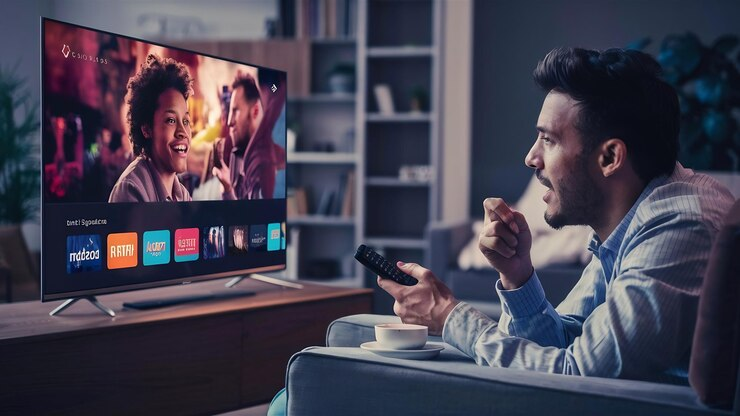
Current Market Presence

Android TV leads with a strong global user base. It powers many popular TV brands worldwide. Tizen, developed by Samsung, holds a large share mainly on Samsung TVs. WebOS, by LG, dominates LG smart TVs but has fewer users overall. Each platform has carved out its own space in the market.

Regional Popularity

Tizen is popular in North America and Europe, thanks to Samsung’s strong sales. WebOS shines in South Korea and parts of Asia where LG is well-known. Android TV has a broad reach, with strong presence in India, the US, and Europe. These differences affect which platform will succeed in specific regions.

Future Trends

Android TV shows fast growth with many new devices adopting it. Tizen plans to expand its features, aiming to keep users engaged. WebOS focuses on improving user experience and adding smart home controls. Each platform aims to grow, but Android TV currently has the widest opportunity.

Choosing The Right Platform

Choosing the right smart TV platform is key to your app’s success. Each platform has unique features and user bases. Picking the best one depends on several factors. This section breaks down the main points to consider before launching.

Target Audience Considerations

Understand who will use your app. Different platforms attract different viewers. Tizen is popular in Samsung TVs, reaching millions worldwide. WebOS powers LG TVs, known for smooth user experience. Android TV covers many brands, offering wide global reach. Match your app’s style with the platform’s audience. This boosts user engagement and satisfaction.

Business Goals Alignment

Set clear goals for your app launch. Are you aiming for brand awareness or direct sales? Tizen and WebOS offer strong control over app presentation. Android TV has broader reach, useful for mass-market strategies. Consider platform policies and monetization options. Align these with your business model for better returns.

Technical Requirements

Check the technical needs of each platform. Tizen uses its own SDK, requiring specific coding skills. WebOS apps are built with web technologies like HTML and JavaScript. Android TV supports native Android development, familiar to many developers. Evaluate your team’s expertise and resources. This ensures smooth development and faster release.

Frequently Asked Questions

Conclusion

Choosing the right smart TV platform depends on your goals and audience. Tizen offers strong app support and Samsung’s reach. WebOS provides a simple interface and LG’s loyal users. Android TV has wide app availability and Google services. Think about ease of development and device compatibility too.

Focus on what fits your content and users best. Take time to test each platform before deciding. This helps ensure your launch runs smoothly. Pick the platform that matches your needs and grows with you. Success starts with the right choice.

Ready to take your OTT platform global?

Contact us today to discuss your goals, get a tailored roadmap, and start building a scalable, multilingual solution that reaches viewers everywhere. Schedule a free consultation contact us at – https://lahagora.com/contact-us/ we’ll help you design the right infrastructure, localization strategy, and monetization plan to grow your audience worldwide.